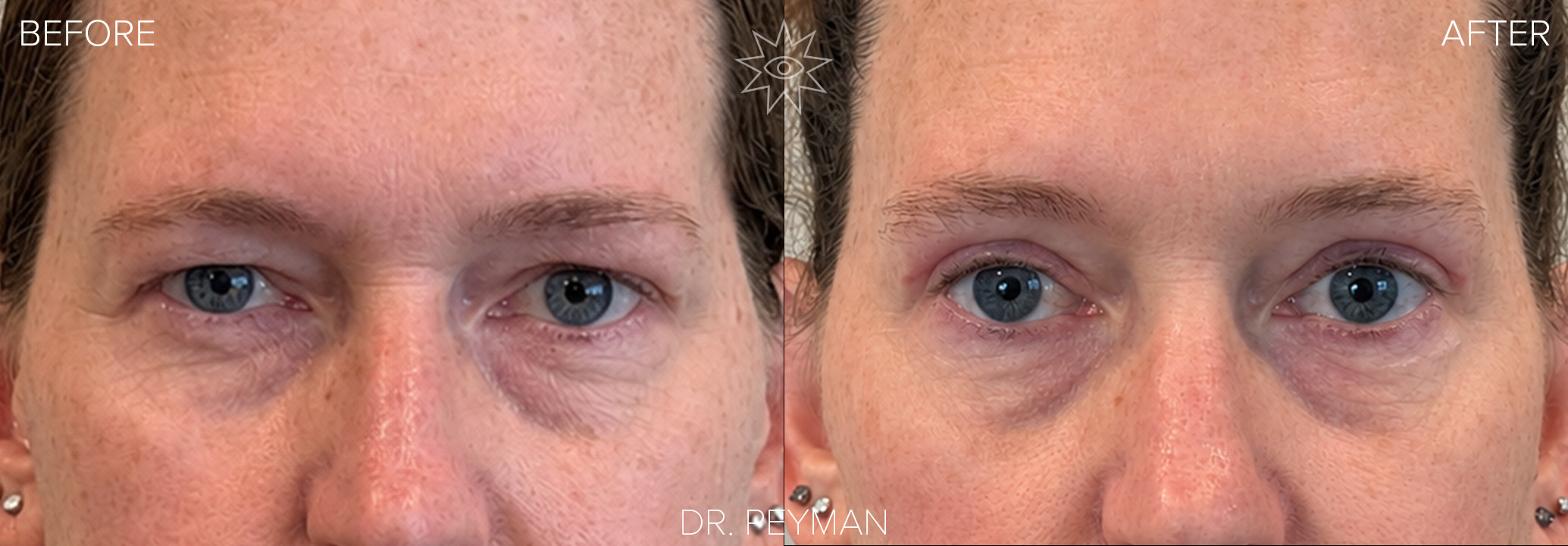
Eyelid surgery in Orange County performed by an oculofacial specialist
Dr. Jason Sabet-Peyman is an oculoplastic surgeon focused entirely on the upper facial procedures trained at world class institutions practicing in Orange County for over 10 years. Most eyelid procedures can be completed in-office under local anesthesia.
Fellowship-Trained Oculoplastic Surgeon
Duke University
Ophthalmology Residency
Doheny Eye Center
School of Medicine
Johns Hopkins University
10 years experience
with excellent reviews
Specialized Eyelid & Facial Procedures
Exclusive focus on sub-specialized surgical, laser, and periocular skin treatments.
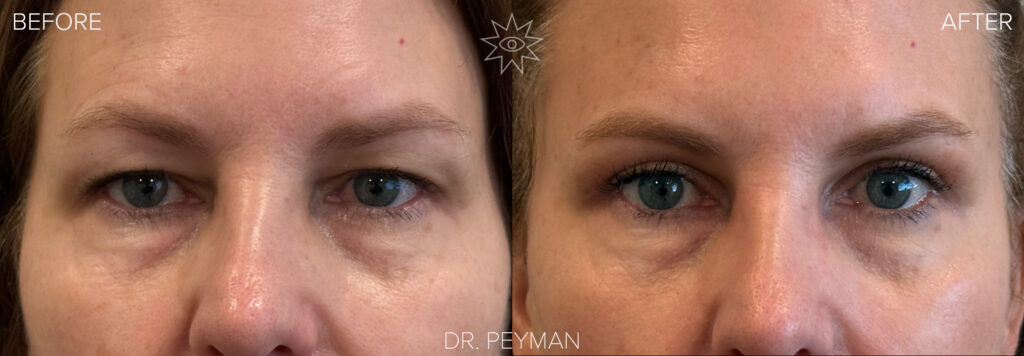
Upper Blepharoplasty
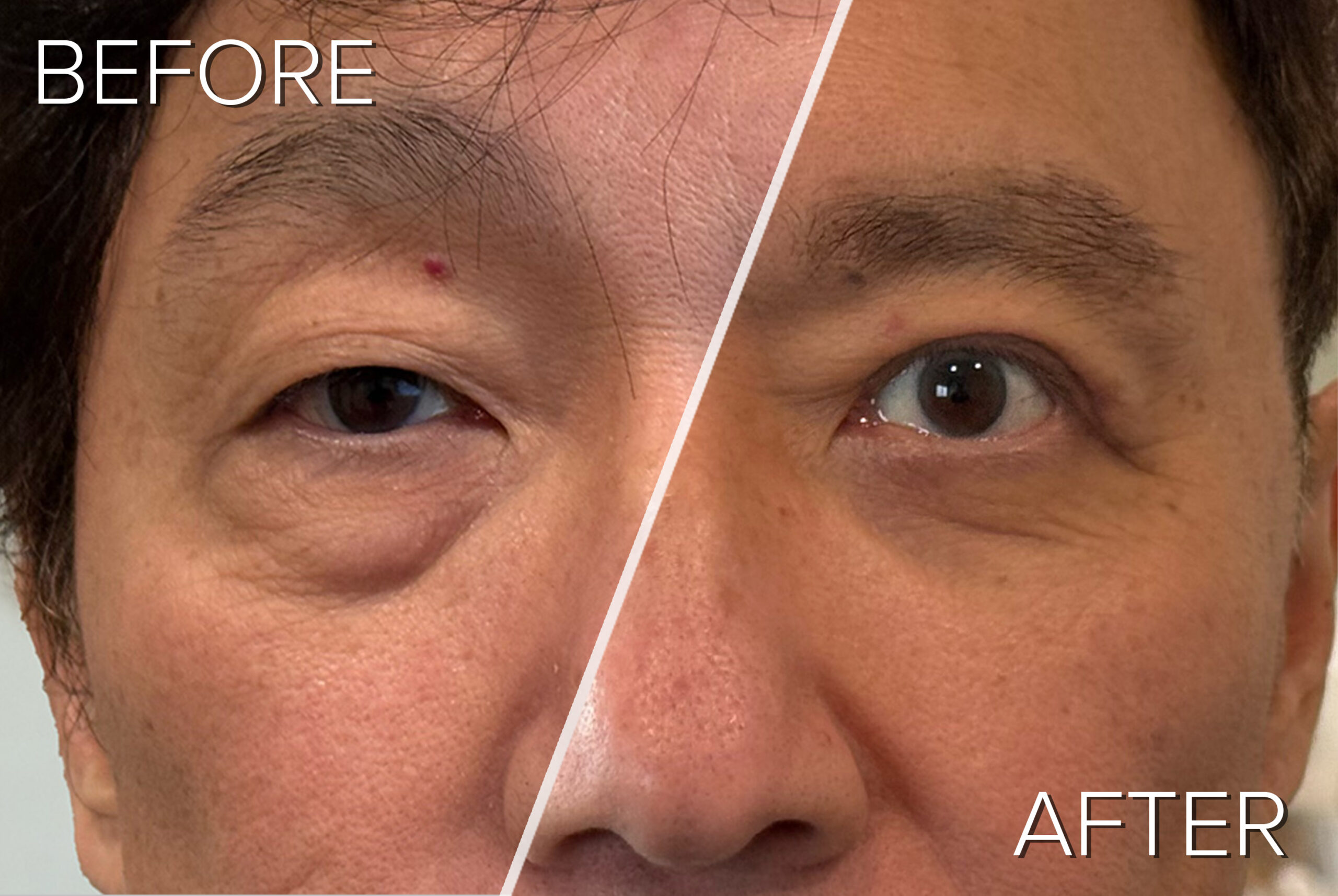
Removes excess upper eyelid skin that covers/hoods the upper eyelid platform or blocks side vision.

Lower Blepharoplasty
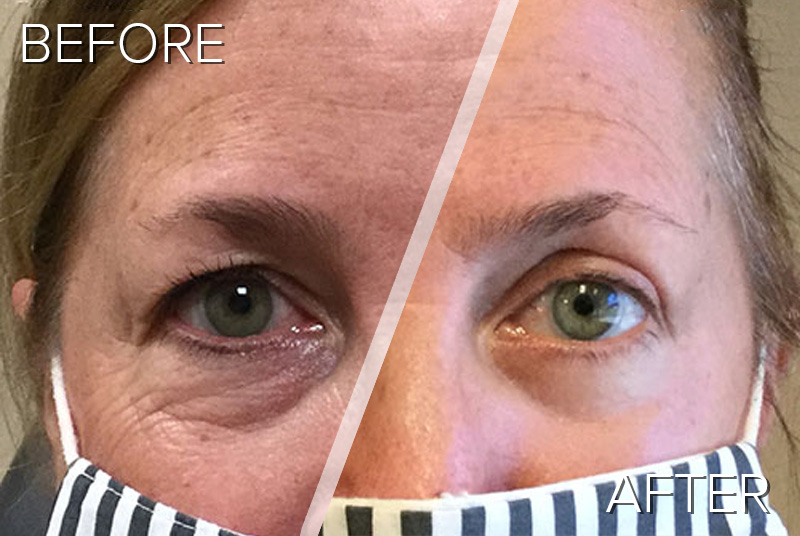
Reduces under-eye bags and puffiness by sculpting/repositioning natural fat pads.
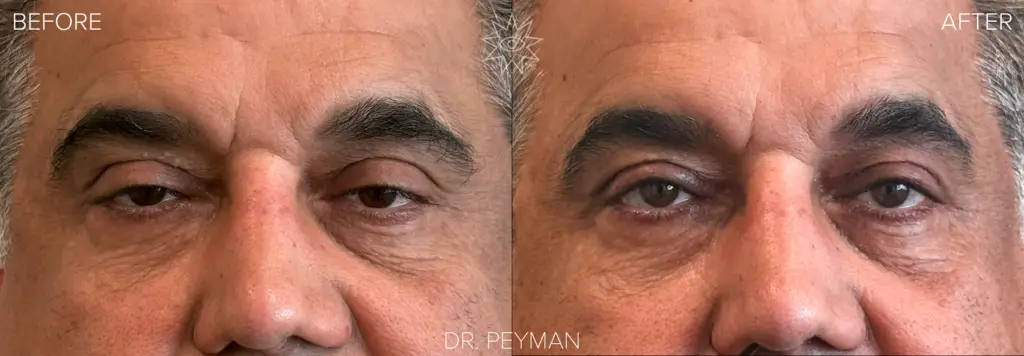
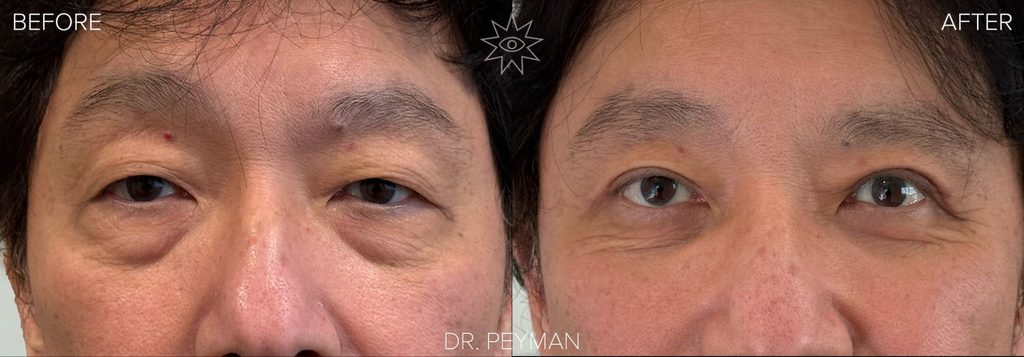
Quad Blepharoplasty
Addresses all four eyelids (both upper and both lower eyelids) for a complete and balanced periocular rejuvenation.

Laser Skin Resurfacing
Ablative fractionated CO2 laser therapy targeting sun-damaged skin, fine lines, pigmentation, and pores. An excellent facial treatment to tighten skin and build collagen in the right patient.
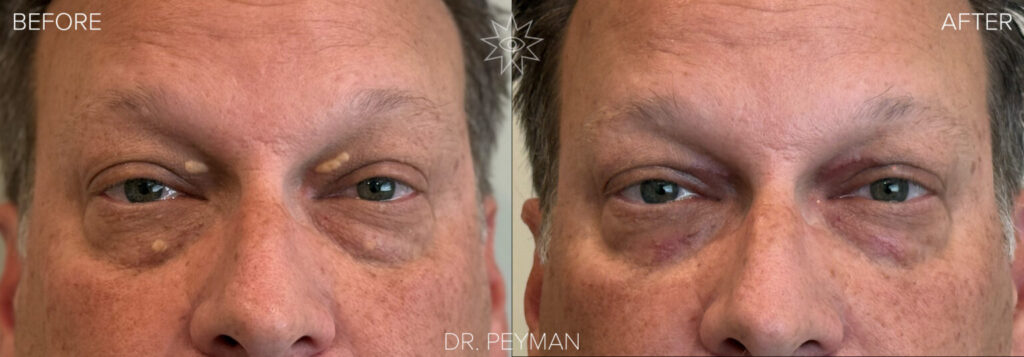
Eyelid Lesion & Growth Removal
Precision in-office removal of xanthelasmas, cysts, papillomas, and other benign growths around the eyes. Biopsy, resection, and reconstruction of eyelid carcinoma.
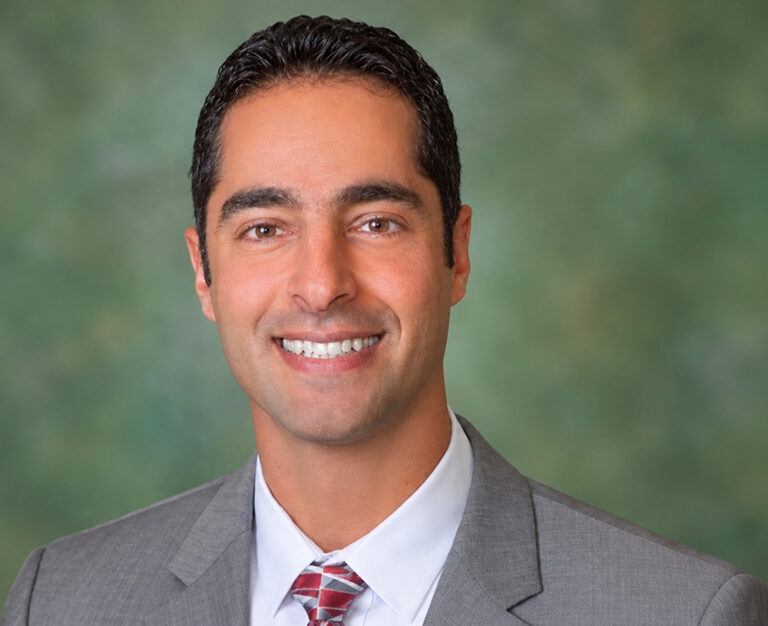
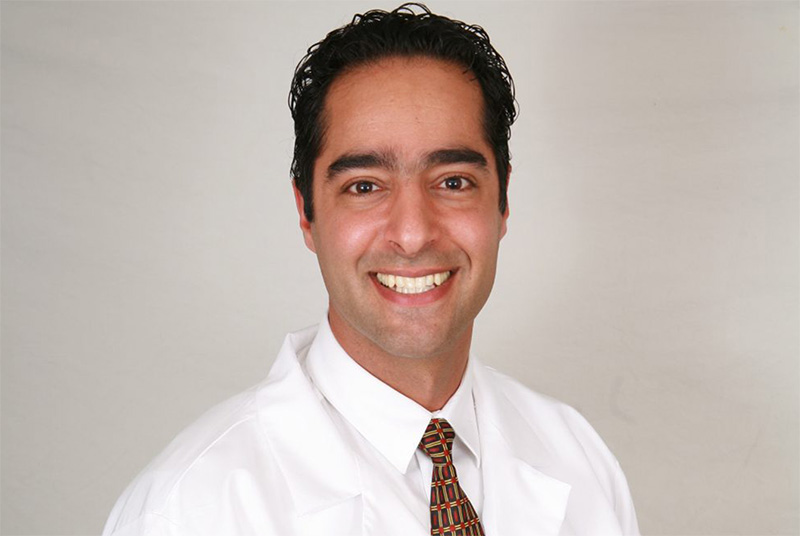
Meet Dr. Sabet-Peyman
Dr. Jason Sabet-Peyman completed his medical degree at the Johns Hopkins School of Medicine, ophthalmology residency at Doheny Eye Center, and a two-year fellowship in oculofacial plastic and aesthetic surgery at the Duke University Eye Center.
He performs every consultation and procedure personally at the Fullerton office, providing direct post-operative phone check-ins following every surgery.
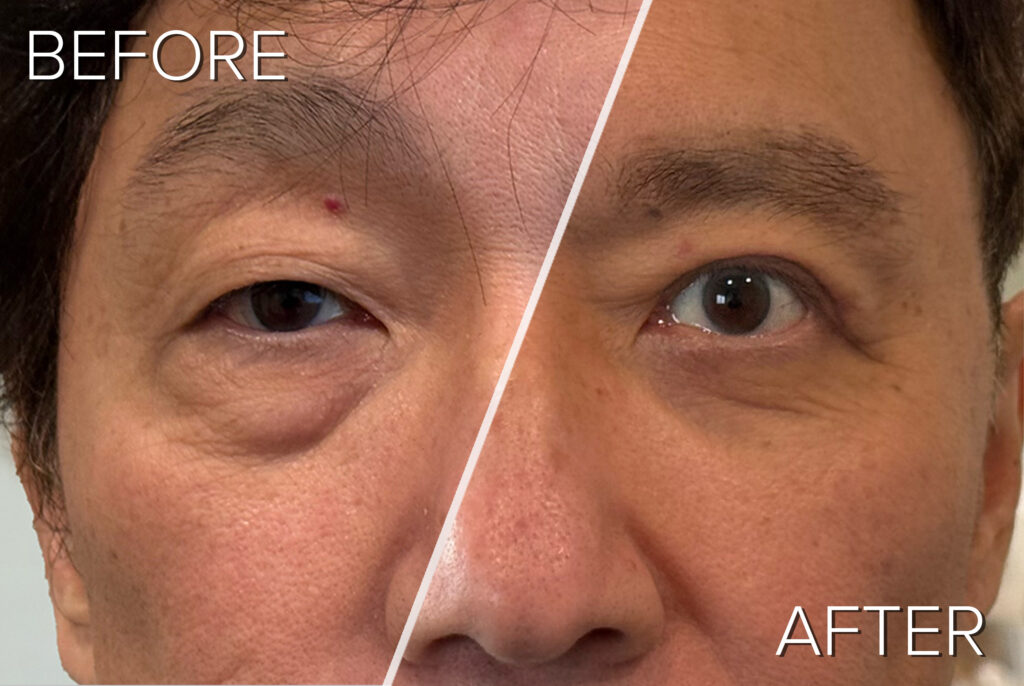
Natural Results, Restored Vision.
See how precise, specialized eyelid surgery can brighten your appearance, remove heavy hooding, and expand your peripheral vision—all without looking “pulled” or unnatural.
What Our Patients Say
Real experiences from patients treated at our Fullerton office.
“Dr. Peyman and his team were fantastic. I came in for an eyelid lump that required a biopsy, and I was amazed by how smooth and completely painless the process was. Even with a positive diagnosis for basal cell carcinoma, Dr. Peyman reassured me, took care of the excision with clear margins on the first try, and within a month you couldn’t even tell I had surgery. Highly recommended!”
Dan J.
“Dr. Peyman did an amazing job on my lower blepharoplasty. He made me feel completely comfortable, answered every question, and his staff was fantastic. It was a quick process that made a night and day difference and gave me back so much confidence in my appearance. I highly recommend him!”
Nicole M.
“This was the best experience I have ever had with a doctor and office staff. When I arrived in pain and shaking, the team immediately stepped in to help me complete my paperwork. Dr. Peyman was incredibly respectful, personable, and attentive throughout my surgery, ensuring I was comfortable and keeping my husband fully informed. Truly the best care.”
Amose D.
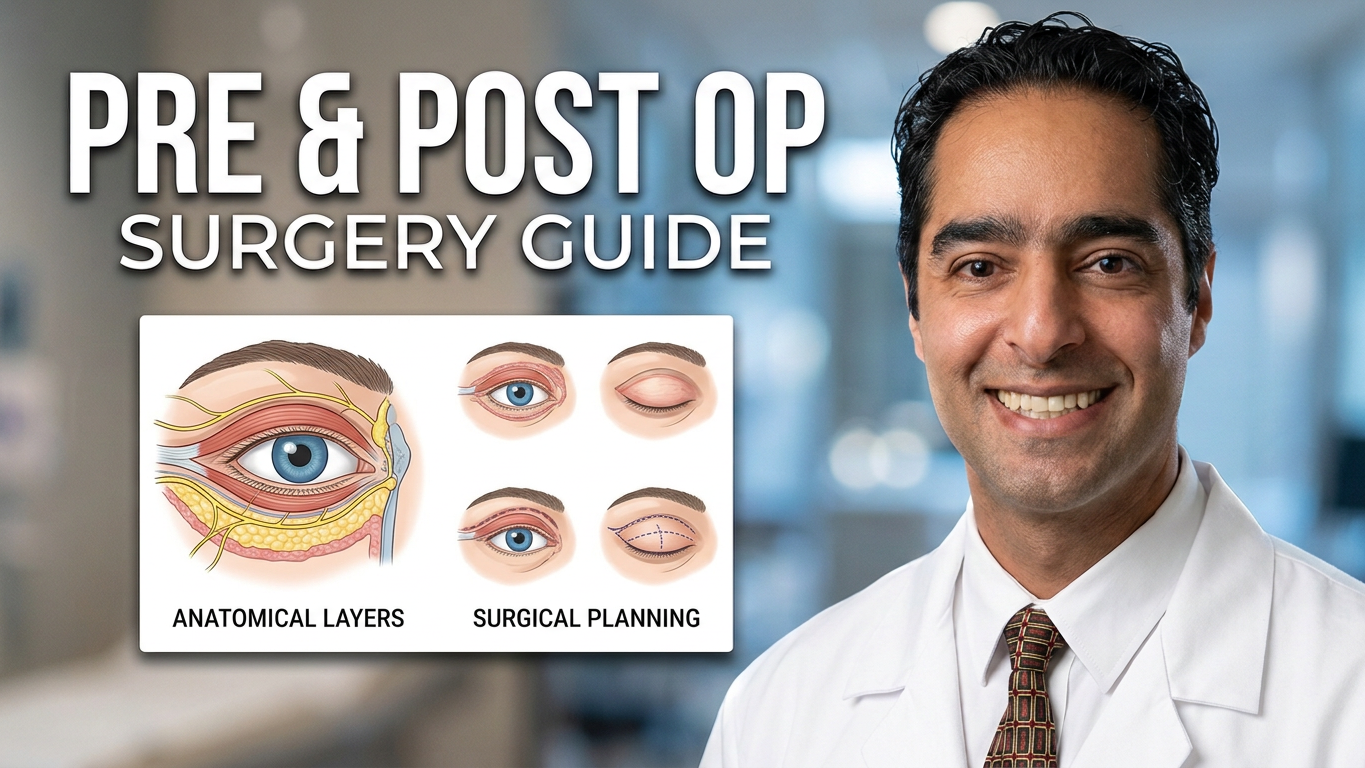
Preparing for Your Procedure?
Watch Dr. Peyman's comprehensive video guide covering preoperative and postoperative instructions, surgical clearances, medications , and recovery expectations.
- ✓ Primary physician clearances & medications
- ✓ Day-of-surgery timeline & sedation
- ✓ Postoperative instructions
Frequently Asked Questions
Common inquiries about eyelid consultations, surgical prep, local anesthesia, and healing.
Yes. Medical clearance involves scheduling a physical with your primary doctor within a month of your surgery date to ensure your optimization and safety on the surgery day. Depending on your medical history, basic blood work or an EKG may also be recommended.
To minimize bleeding and bruising, patients should check with the primary doctor and/or cardiologist during their preop clearance appointment if it is safe to stop prescribed blood thinners such as Aspirin, Eliquis, Xarelto, and Warfarin. The primary should also advise how long to hold before and after surgery. Other over-the-counter blood thinners taken by patients such as ibuprofen (Advil/Motrin), Alleve, and Diclofenac should be held 10 days before surgery and 2 days after surgery. Tylenol is okay to take for any postoperative pain. Supplements such as fish oil, omega-3, vitamin E, and multivitamins should also be held 10 days before surgery. All blood pressure controlling medications should be taken the same as usual. Diabetic medications can also be taken the same as usual if your procedure is being done in-office where fasting is not necessary. If your case is scheduled under twilight or general anesthesia, the diabetic medications may need to be adjusted. Dr. Peyman will discuss each particular diabetic medication with you if this is the case. It is okay to continue any glaucoma drops as usual even while recovering from surgery, but it is advised to avoid pulling on the eyelid when putting them in.
It depends on the procedure. Most in-office eyelid procedures are performed under local anesthesia with some oral sedation with valium. The valium will be prescribed for you to pick up and bring to the office where you will take it 30 minutes before your procedure. You do not need to fast overnight and can eat a regular breakfast if your case is scheduled in-office under local.
Apply ice packs over your incisions for 20 minutes on and 40 minutes off throughout the day and evening for the first two days. Patients should sleep on their back with the head elevated ~30 degrees for 10 to 14 days to minimize swelling. You do not need to ice while asleep.
Schedule Your Consultation in Fullerton
Speak directly with Dr. Peyman to review your personal goals and discuss personalized surgical options.